
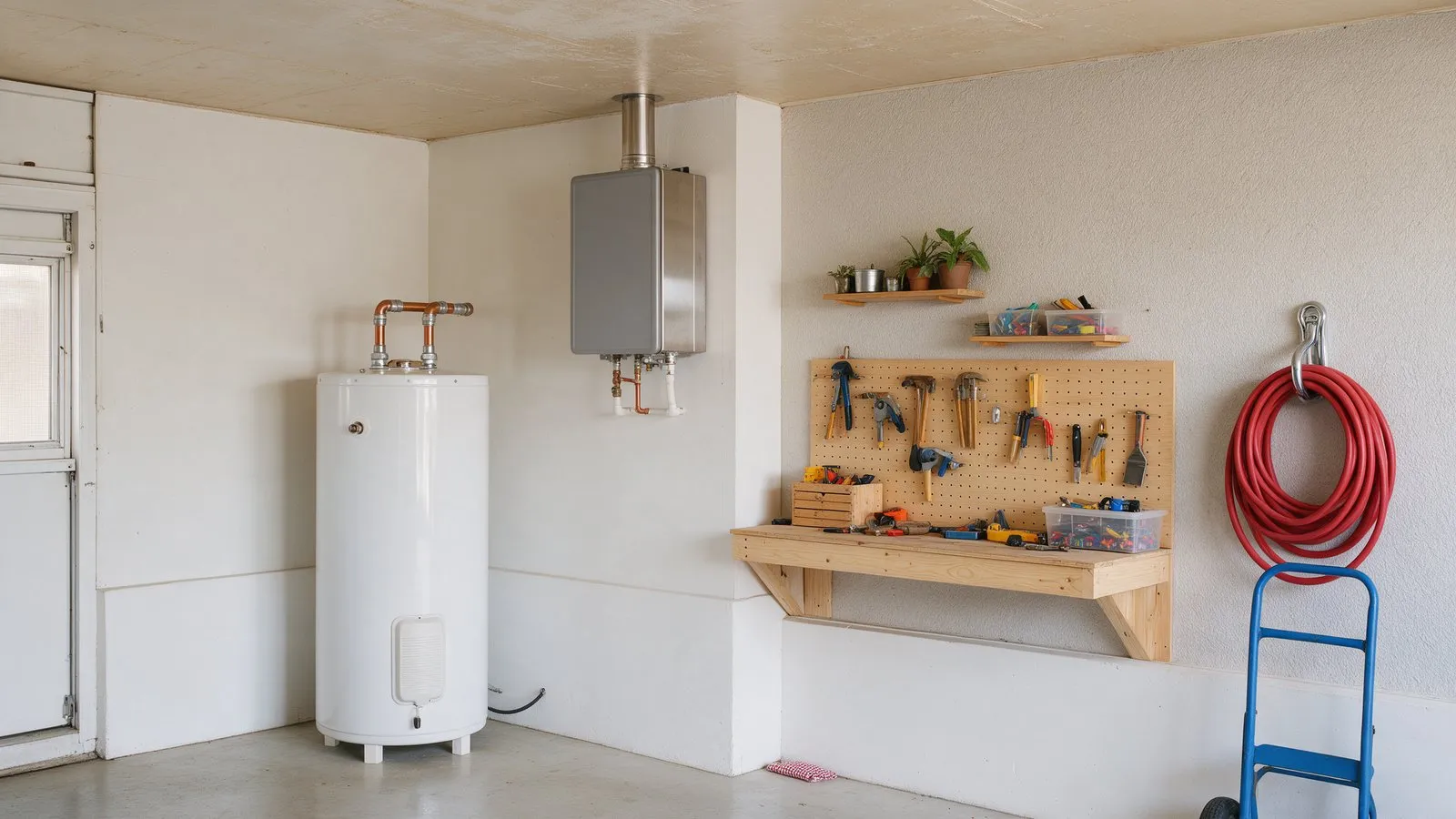
Water Heaters in Downtown & Atlantic Ave: what to know
In older downtown houses the water heater often lives wherever it fit when plumbing was modernized: a hall closet, a back porch enclosure or an attic. Replacing it in the same spot is usually possible, but current code may call for a drain pan piped to the outside, a thermal expansion tank and, for gas units, updated venting. Those extras are worth asking about when you compare quotes.
Above shops and restaurants on Atlantic Avenue and in Pineapple Grove, one heater sometimes serves an apartment upstairs and a business below. Undersized tanks show up as running out of hot water at busy times. A plumber can size a replacement to the real demand, or suggest separate units so one tenant's use does not affect the other.
For warning signs and how the work is done, see our water heater repair & replacement guide, or see all plumbing help in Downtown Delray Beach & Atlantic Avenue.
Before the plumber arrives
- Photograph the label on your current heater so the plumber knows the size, age and fuel type before arriving.
- Clear a path to the heater, especially if it is in an attic or a packed closet.
- If the heater is leaking, turn off the cold water valve above it and switch off its breaker or gas supply.
Water Heaters FAQs: Downtown & Atlantic Ave
Does replacing a water heater downtown need a permit?
In most cases, yes. Water heater replacements in Delray Beach usually require a permit and inspection through the city. Ask whether the plumbing company pulls the permit and whether it is included in the price.
Is a tankless heater a good fit for a small downtown house?
It can save space, but many older homes here are all-electric and an electric tankless unit draws a lot of power. A plumber will check your electrical panel first. A compact tank or a heat pump water heater is often the simpler swap.