
Repiping in Downtown & Atlantic Ave: what to know
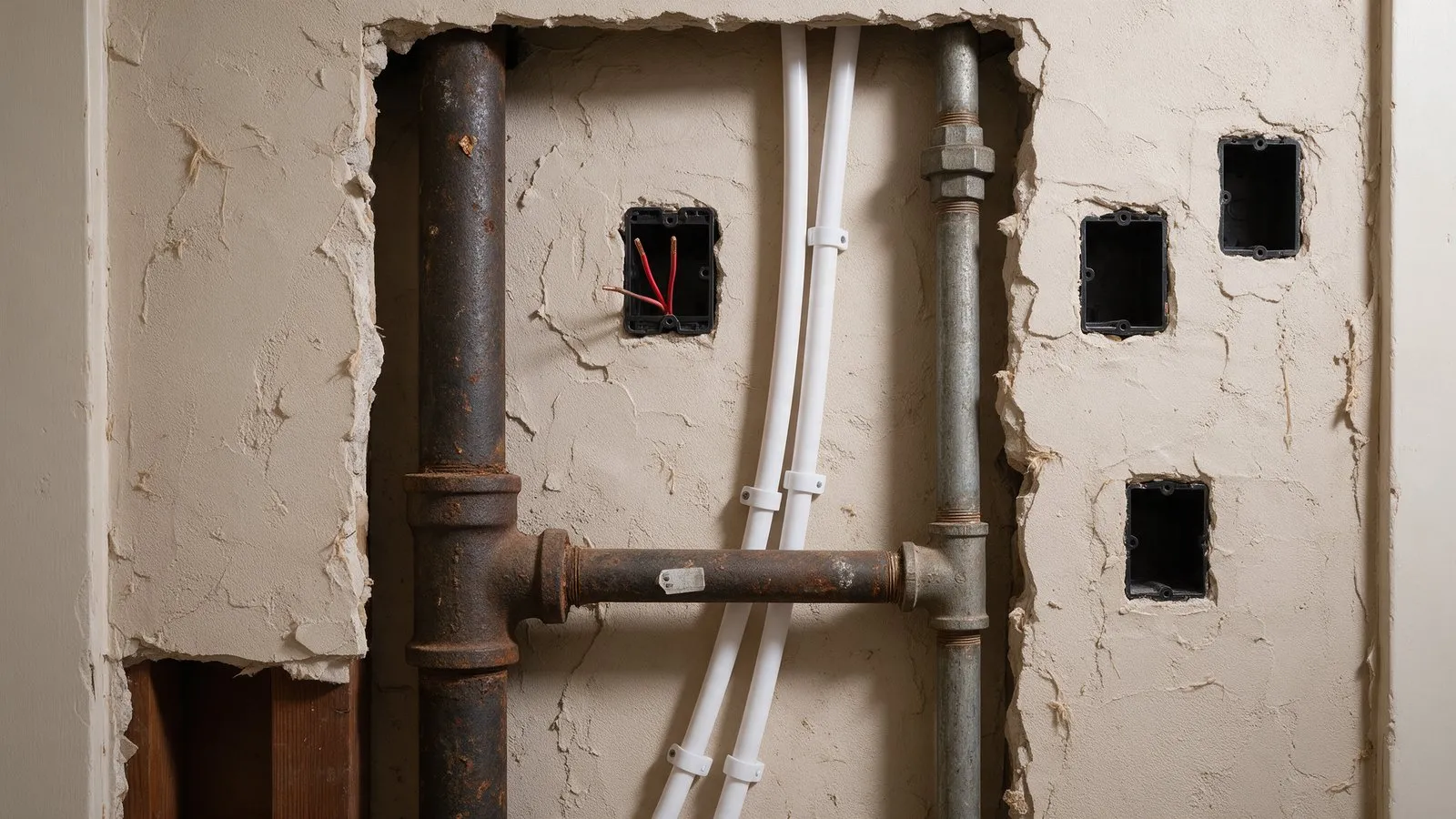
Galvanized supply pipe from before the 1960s narrows with rust over time, which shows up as weak pressure at upstairs or far fixtures and brown water after the tap has been off. Cast iron drains from the same era scale inside and eventually crack. Downtown repipes often deal with both, so it is worth asking for a drain camera inspection when you get a supply repipe quote.
Older cottages with crawl spaces are usually simpler to repipe because lines can be run under the floor. Block homes on slabs typically get new lines through the attic and down the walls. In a historic district, interior plumbing does not normally need design review, but any change to the outside of the building may.
For warning signs and how the work is done, see our repiping & cast iron drain replacement guide, or see all plumbing help in Downtown Delray Beach & Atlantic Avenue.
Before the plumber arrives
- Ask whether the quote covers drywall patching and painting or only the plumbing.
- List every fixture, including outdoor showers and irrigation connections, so nothing is left on old pipe.
- Plan for the water to be off for parts of the job, and ask how many days the house will be without it.
Repiping FAQs: Downtown & Atlantic Ave
Should I replace the cast iron drains at the same time as the water lines?
If a camera shows the cast iron is badly scaled or cracked, doing both together can save opening walls twice. If the drains are still in fair shape, the supply repipe can be done on its own.
Does a repipe in a historic downtown home need special approval?
Interior plumbing work normally needs only a building permit. Changes visible from outside, such as new exterior piping or equipment, may need historic preservation review. The plumber or the city can confirm for your address.